OpenAI outlines Private Intelligence, with protected safety review and a later inference preview
Businesses can keep encrypted safety-review records in customer-controlled storage for automated review in a protected runtime. Retention requirements remain; a separate Private Inference preview is planned for the fall.
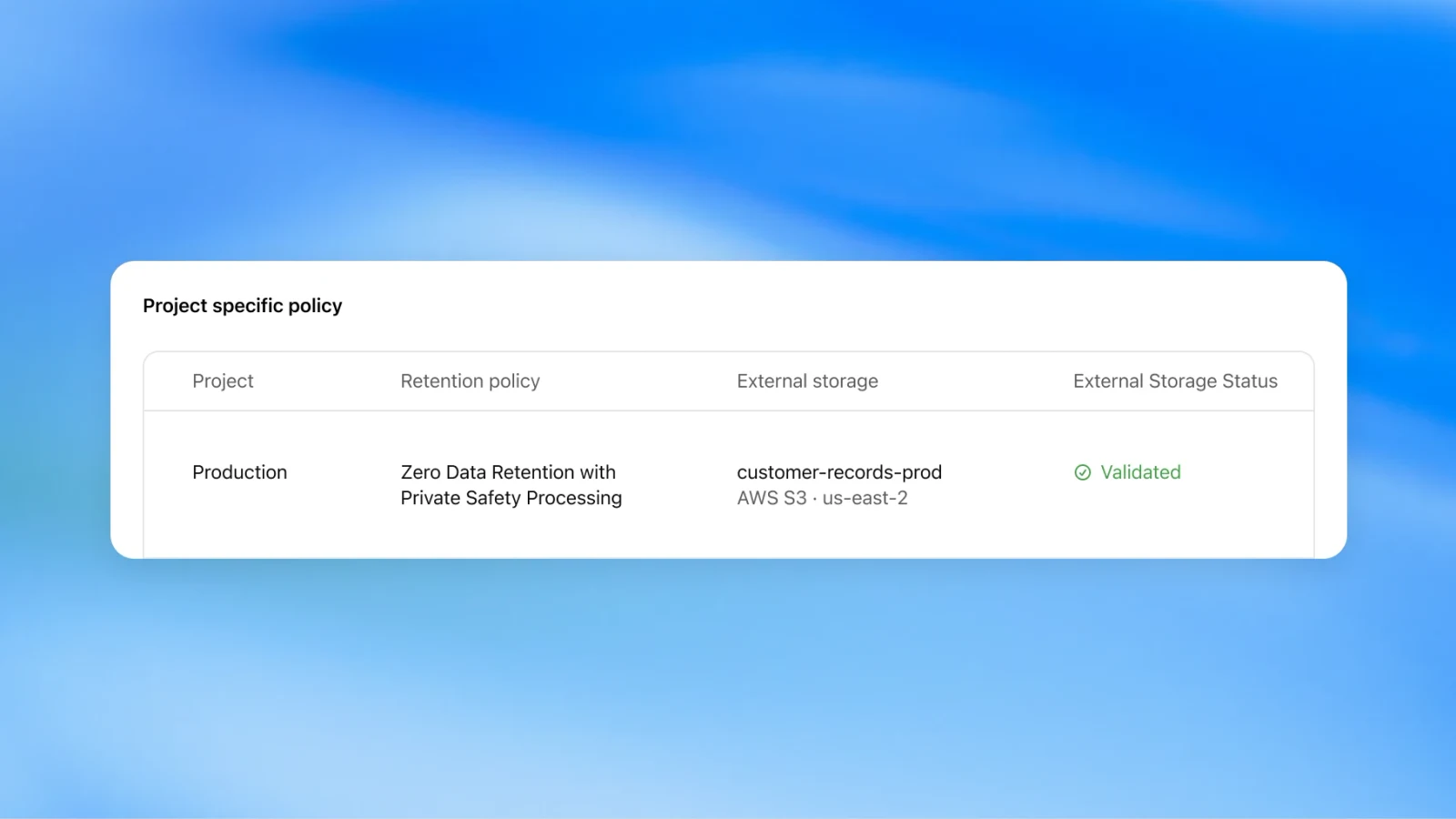
OpenAI introduced Private Intelligence at DevDay on September 29 for businesses handling sensitive content. Zero Data Retention with Private Safety Processing, or ZDR with PSP, moves automated safety review into a protected runtime that disables human access. A separate Private Inference preview, combining confidential computing with verifiable controls, is planned for the fall rather than presented as generally available.
The documentation says prompts and responses selected by a safety classifier or approved sampling policy are encrypted into customer-controlled cloud storage. OpenAI keeps operational metadata and storage references. A hardware-attested runtime decrypts and reviews the records, releasing only bounded safety signals and approved metadata in plaintext. Customer content cannot be used for training or shared with other OpenAI or partner groups.
Customers must still retain encrypted review records for at least 30 days and maintain storage, permissions and key configuration. The scheme does not mean all content disappears immediately. OpenAI recommends customer-managed keys for additional decryption control. Adoption requires organization access and validated configuration.
Sources
- DevDay 2026 Recap — OpenAI
- ZDR with Private Safety Processing — OpenAI API Docs