Google’s Suncatcher prototype reaches orbit to test AI chips in space
Google says its satellite, built with Planet, reached orbit on a SpaceX mission and established contact. Tests will examine TPU chips under spaceflight stress, radiation and temperature extremes; the project remains experimental.
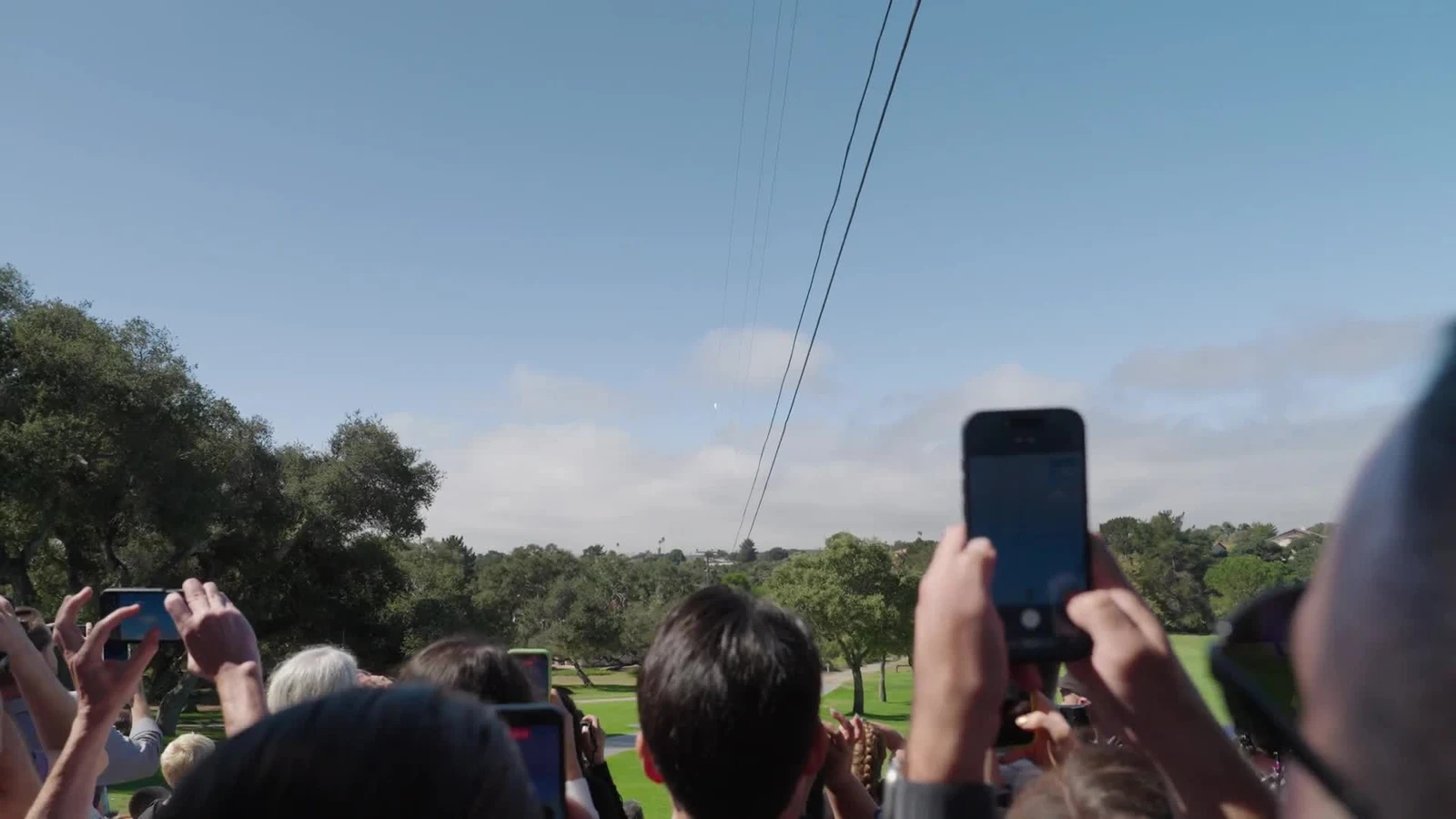
Google announced on October 1, October 2 in Shanghai, that its Project Suncatcher prototype satellite had reached orbit aboard SpaceX’s Transporter-18 rideshare mission. The satellite was developed with Planet. Google says its team has established contact and the satellite is operating as expected.
The next step is testing in the actual environment. Over the following weeks, Google plans to collect orbital data on how its TPU AI-computing chips withstand spaceflight’s physical stress, radiation and temperature extremes, then use the findings to refine its designs.
Suncatcher’s long-term purpose is to investigate whether space could host scalable machine-learning infrastructure. This announcement confirms a prototype launch and initial communications, but gives no orbital computing-performance results, reliability findings or commercial-service timetable. The experiment has moved into space; a large-scale orbital data center is not yet an established outcome.