OpenAI says GPT-6 Astra designed a hardware device from scratch in under a week, as an undisclosed internal model leads on a CAD benchmark
OpenAI published a post on 3 November about how ChatGPT and Codex are used in physical engineering work such as CAD, PCB design and simulation. According to The Decoder, OpenAI’s hardware team used GPT-6 Astra to design a device for talking to Codex in under a week, with the model handling everything from enclosure and circuit board to firmware and interface; OpenAI also says an internal model with no disclosed details scores 0.875 on BenchCAD 2.0, against 0.594 for GPT-6 Astra.
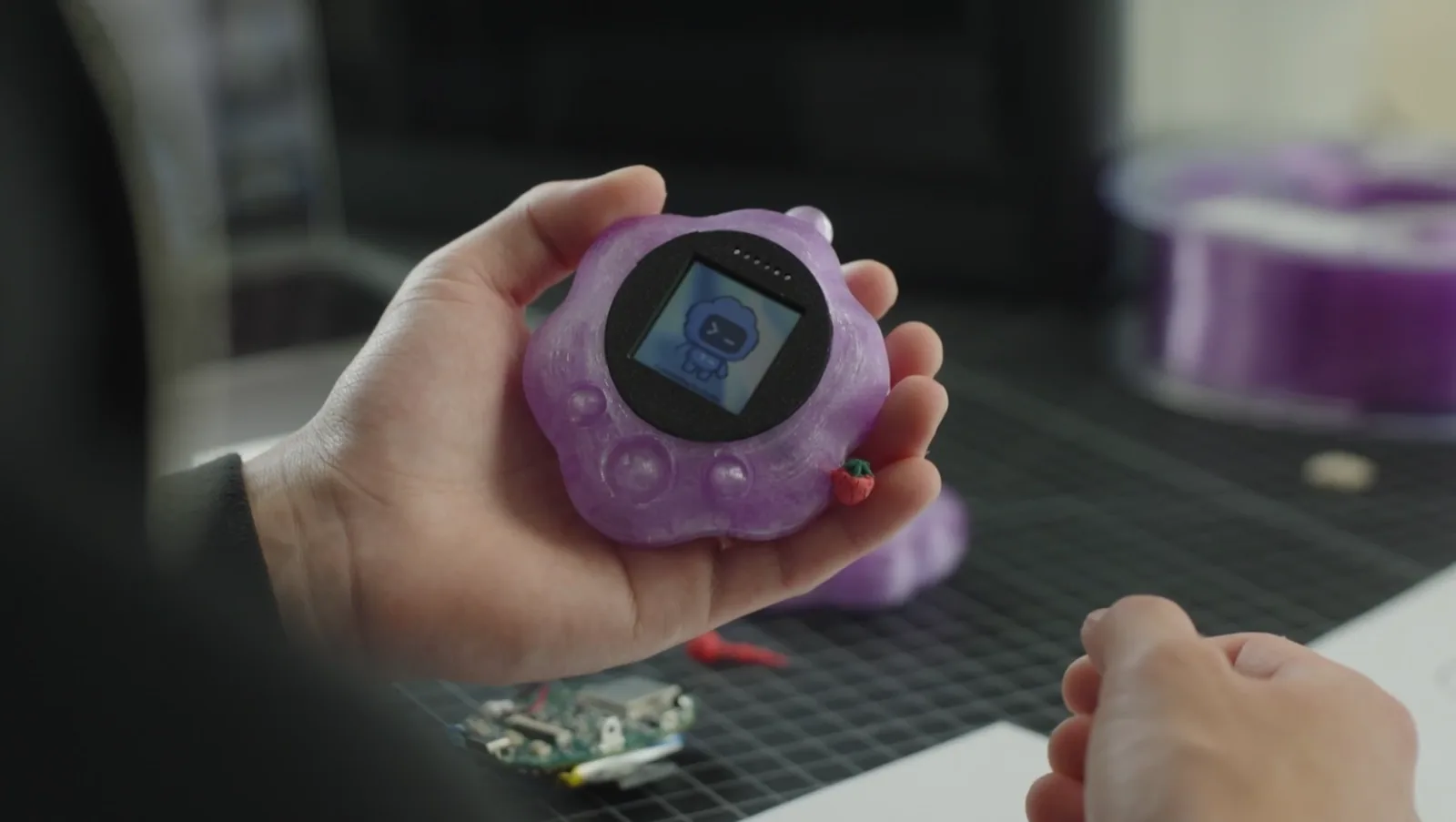
As summarised, the device was a side project of OpenAI’s hardware team. OpenAI says GPT-6 Astra handled every step: enclosure design, PCB layout including component selection and trace routing, firmware and the user interface. A contract manufacturer then produced a small batch of prototypes in under a month, though several revision rounds were needed because Astra did not always account for manufacturing constraints, tolerances and assembly details.
OpenAI also reported BenchCAD 2.0 results; the benchmark tests whether models can reconstruct 3D parts and assemblies and identify connections on PCBs. An “internal model” scored 0.875, while GPT-6 Astra at its highest reasoning level scored 0.594. OpenAI has not shared any details about the internal model.
OpenAI says its hardware teams use Codex and ChatGPT for CAD models, manufacturing drawings and simulations in areas such as robotics and compute infrastructure, and that token usage there has grown 23x since February. The openai.com post returned 403 to our direct fetch, so these details rely on The Decoder’s summary.