Microsoft Research introduces Quine, an AI research system for biology, and opens applications for a 16-week Quine Fellowship (deadline Nov. 2)
Microsoft Research is launching Quine: a multimodal world model of biology plus an interactive harness linking models, scientific tools, literature and researchers. With collaborators at the Broad Institute it has prioritized compounds predicted to drive tumor-state shifts and validated several top-ranked candidates in wet-lab assays. Initial access is limited to selected Quine Fellows and research collaborations: the 16-week fellowship is held in Cambridge, Massachusetts, with applications open September 29–November 2, 2026, and the program running June 7–September 24, 2027; applying does not guarantee selection or access. It is not for clinical or medical use.
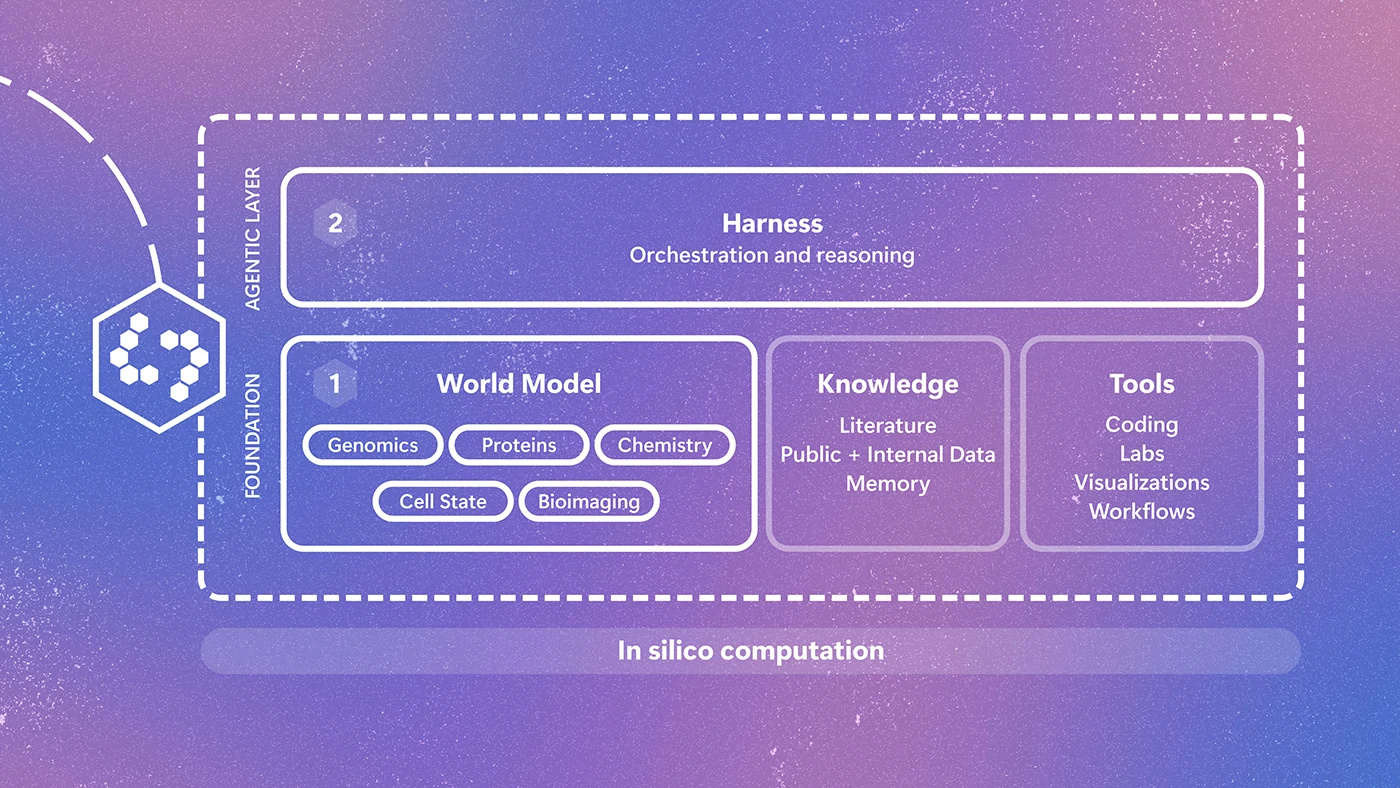
Microsoft Research says Quine aims to build a multimodal world model of biology and a harness that connects models, scientific tools, literature and researchers. The world model learns shared representations across sequence, structure, function, cellular state and imaging so evidence in one modality can inform predictions in another. The company stresses that this is experimental research technology for research only—outputs may be incomplete or inaccurate and need review by qualified researchers and experimental validation—and is not for clinical or medical use.
In work with the Broad Institute of MIT and Harvard, the team used Quine to predict and prioritize thousands of compounds for therapeutically relevant state shifts in pancreatic ductal adenocarcinoma (PDAC). In wet-lab studies focused on classical-to-basal transitions, the highest-ranked compounds produced the largest intended shifts; Microsoft says narrowing the search to a short validation list took one weekend. The reverse transition was harder; experiments also showed several compounds moving cells toward a third phenotype, matching the model. The project site likewise describes three parts—model, tool layer and research program—tested with Fellows and partners on real questions.
The Quine Fellows program will give a cohort of scientists access to the system to accelerate their work and provide scientific feedback. The project page describes it as a 16-week research fellowship with financial support, hosted by Microsoft Research in Cambridge, Massachusetts, for PhD candidates, postdocs, research scientists and academic or independent researchers; applications run September 29–November 2, 2026, and the fellowship runs June 7–September 24, 2027. Participation, access, support and resources depend on eligibility, selection, available capacity and written fellowship terms, and applying does not guarantee selection or access. Microsoft says access will stay phased—Fellows and selected collaborations first—with later expansion through products such as Microsoft Discovery as the technology matures. Capabilities and wet-lab results are reported by Microsoft and its partners; this site did not independently reproduce them.
Sources
- Introducing Quine: An AI research system designed for the complexity of biology — Microsoft Research 博客(RSS)
- Accelerating how scientistsexplore biology — microsoft.github.io