Google’s Suncatcher satellite sends its first AI response from orbit: a Gemma 4 haiku
Google said on 30 October 2026 that its Project Suncatcher prototype satellite has finished commissioning and produced the first AI response from a data-center-class TPU in orbit: the onboard Gemma 4 open model wrote a haiku about space on command from the ground. Next come tests of TPU behavior under thermal stress and radiation, with two interconnected satellites targeted for 2027.
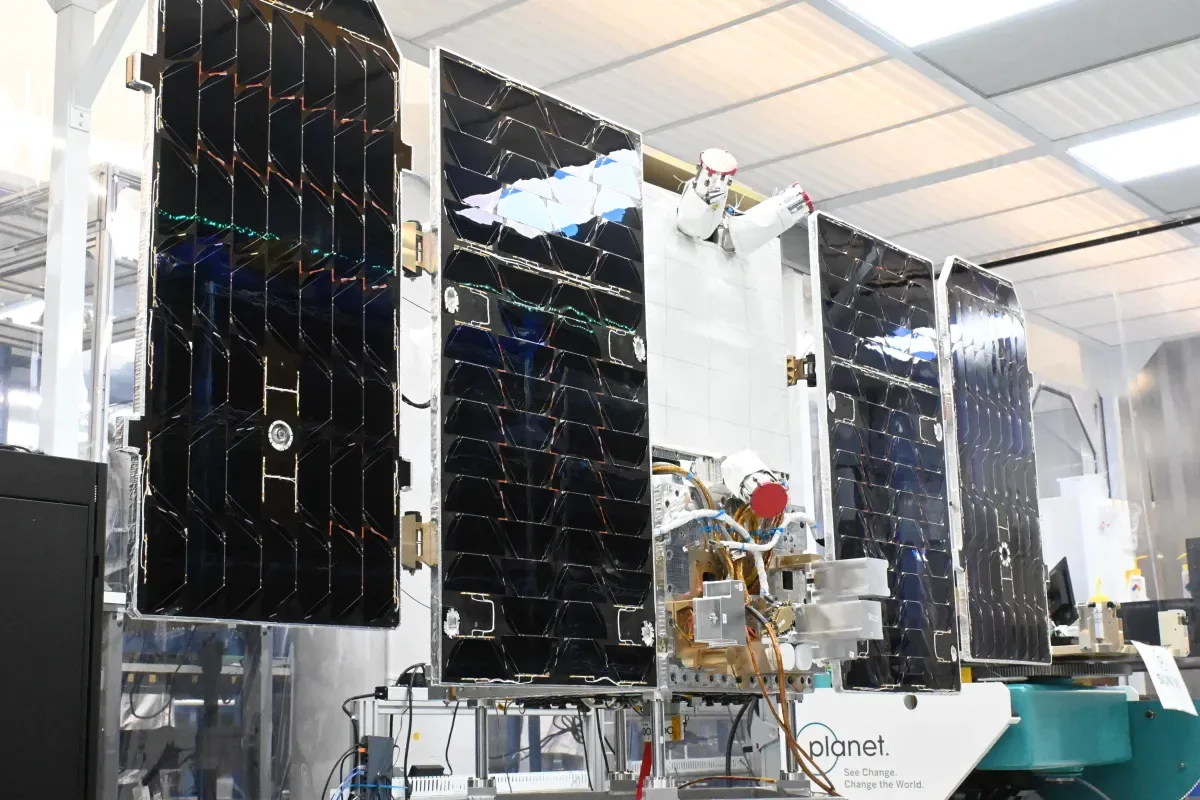
In a blog post, Google says that after the Project Suncatcher prototype launched on 1 October, the team spent several weeks on its commissioning checklist, including powering up the host and TPU trays and running early machine-learning tests. This week the satellite hit its “Hello World” milestone, which Google calls the first-ever AI response from a data-center-class TPU in orbit. During a ground-station pass the team uplinked a first prompt asking the onboard Gemma 4 open model for a haiku about being in space, and the reply was downlinked as the satellite passed over Svalbard, Norway: “Blue marble below / Data streams in silent grace / Starlight feeds my core.”
Google says it then tried space-themed limericks and telemetry prompts reporting the payload systems’ status. According to TechCrunch, the satellite carries four Google TPUs and generates up to 1 kW, so power limits mean only one TPU can run for about 20 minutes at a time; commissioning took about three weeks, and a Google spokesperson said the satellite is operating nominally.
Next, Google will test how the TPUs cope with thermal stress and radiation in orbit. TechCrunch notes that radiation can cause bit flips that silently corrupt data, and that ground testing suggested a small impact on inference and a larger one on training, which can now be checked in real space conditions. Google says proving the TPUs work reliably in orbit paves the way for its next milestone of twin interconnected satellites in 2027. Shift covered the satellite’s launch on 2 October.
Sources
- We’ve received our first response from the Project Suncatcher prototype satellite. — Google (The Keyword)
- Google’s first data center satellite is online and writing poetry — TechCrunch