OpenAI’s Dev Day turns ChatGPT into an app front door: in-chat app suggestions, “Sign in with ChatGPT” that carries your AI allowance, and an enterprise marketplace
TechCrunch rounds up OpenAI’s Dev Day announcements: ChatGPT will suggest and run third-party apps inside conversations, plug-ins now support interactive extension panels, “Sign in with ChatGPT” lets users bring their AI allowance to third-party apps, and there is a new OpenAI Marketplace for enterprises; OpenAI has not announced an app-store-style billing or revenue-sharing system.
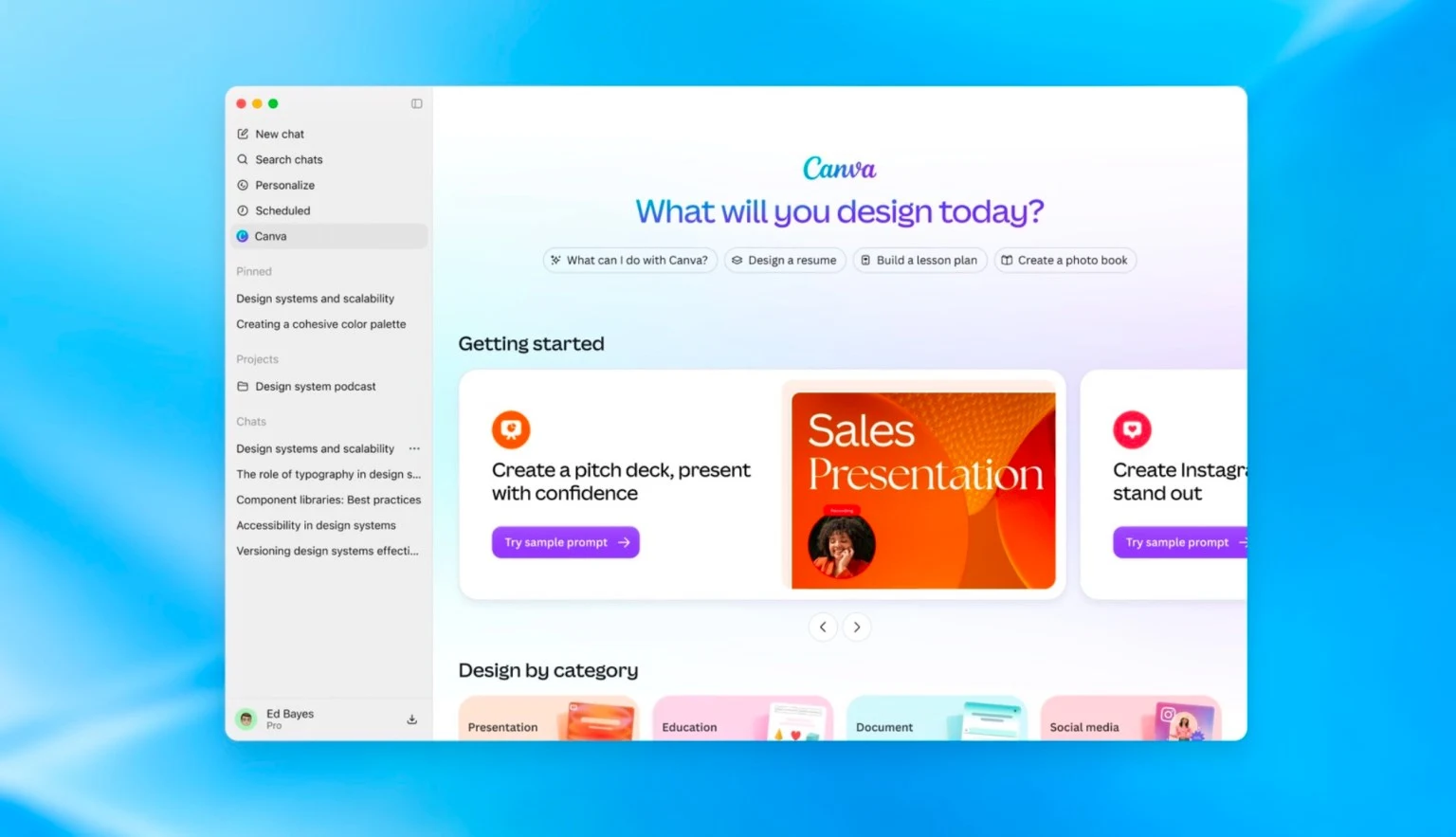
TechCrunch reports that alongside its Dots agents and new models, OpenAI used Dev Day to launch a set of features that make ChatGPT a place to discover, launch and use software. When ChatGPT recognizes that an app could help with a task, it will suggest it in the conversation, and once connected the user can work with it directly inside ChatGPT.
The plug-in architecture now supports extensions, letting developers build interactive panels so users can work with their tools while chatting; demos showed OpenAI’s own meeting app displaying calendar events, taking notes and summarizing follow-ups inside ChatGPT, and TechCrunch gives the example of using design apps from Figma and Adobe to revise projects in chat. Apps can also be shared with colleagues through lightweight websites ChatGPT now produces, with each colleague signing in under their own credentials and permissions. Plug-in review has improved too: developers can track their review, see what needs fixing, request a human review and update their plug-in’s tools without resubmitting from scratch.
“Sign in with ChatGPT” lets users bring their ChatGPT identity to third-party apps and use their existing AI allowance there, with 16 launch partners including Cognition’s Devin, Notion, Vercel, T3, OpenClaw and Dactyl. The enterprise OpenAI Marketplace launched with 30-plus partners, including Adobe, Figma, Salesforce, ServiceNow, HubSpot and CrowdStrike, and eligible customers can apply part of their OpenAI commitment toward approved partner software.
OpenAI says Dots can connect to its ecosystem of more than 4,000 apps; each Dot has its own cloud computer and browser and does “proactive research” in the background using connected apps in read-only mode, while actions still need the user’s approval. TechCrunch argues that this gives app makers a new way to reach customers outside Apple’s and Google’s app stores, but OpenAI did not announce a billing or revenue-sharing system comparable to traditional app stores, nor say these features would replace separate third-party subscriptions or other charges.